


How to combine Social and PPC for smarter campaigns
By: Andy Chapman | Published: 17 November 2023
Most small businesses treat social media and PPC as separate efforts. But when you combine them, they amplify each otherand the results are far more powerful.
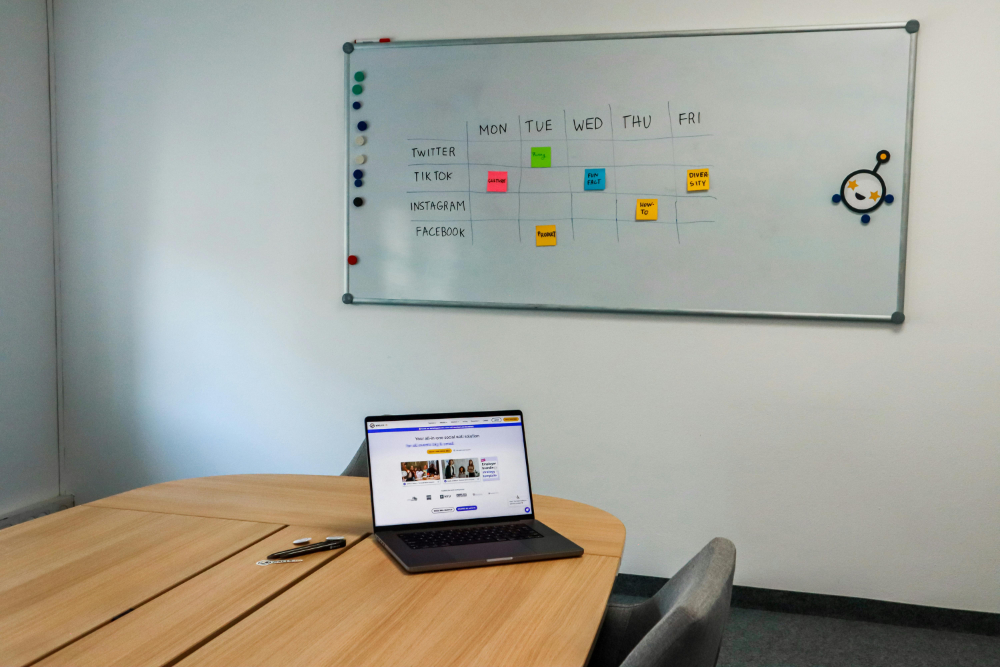
Here’s how to make your paid search and social strategies work together for real business growth.
Use Social to build warm audiences for PPC
Running cold Google Ads? You’ll pay more per click.
Instead, use social platforms (like Instagram or LinkedIn) to build awareness and engagement first then retarget that audience with PPC.
Example:
Run a helpful video on Facebook introducing your service, then follow up with a Google Search ad offering a consultation. These warm leads convert better and cost less to acquire.
Match messaging across platforms
Your PPC ad talks about one thing. Your social post says another. Confused users don’t convert.
Make sure your offer, voice, and visuals are consistent across your campaigns—even if they’re running on different platforms.
Consistency = trust = conversions.
Use Social feedback to inform PPC copy
Your social comments and post reactions are gold.
See what your audience responds to then take those phrases, pain points, or benefits and build them into your ad headlines, descriptions, and landing pages.
This leads to stronger ad relevance and better Quality Scores in Google Ads.
Retarget across platforms
Don’t stop at just one channel.
If someone clicks a Google ad but doesn’t convert, you can follow them up with a Facebook or LinkedIn ad. Likewise, if they engage with your social posts, follow up with a search ad when they’re ready to buy.
This cross-channel visibility keeps your brand front of mind at every stage of the journey.
Measure results together, not separately
It’s not about “which channel did better” it’s about how they worked together.
Use UTM tracking and tools like Google Analytics 4 to understand the bigger picture: which touchpoints influence conversions and where budget shifts will make the most impact.
Ready to run smarter, integrated campaigns?
With over 20 years of experience in PPC and digital marketing for Devon businesses, I help you create multi-channel strategies that actually work without the confusion or bloated fees.
Book a free discovery call and find out what's possible.More Digital Marketing Articles

SEO case study: how an HR training consultancy went from 2 search visits a month to 37 and started winning enquiries
Added: 04 November 2026
McPhail Watmore Associates had experienced HR consultants and a substantial training offer, but almost nobody was finding its website through Google. Following a website healthcheck and targeted SEO work, monthly search visits rose from 2 to 37. Three organisations also enquired about harassment training after new content was published.

Does ChatGPT recommend your business and how to check your AI search visibility
Added: 13 October 2026
ChatGPT might mention your business, cite your website or send someone to it. Those are three different outcomes. You can check your visibility by testing real customer questions across several AI tools, then using Search Console and GA4 to see whether that exposure produces visits and enquiries.

How to identify bot traffic in GA4 and fix misleading reports
Added: 08 September 2026
Bot traffic can make a small business website look busier than it really is. In GA4, the warning signs usually appear when you compare visitor locations, engagement, traffic sources and device information. Before changing your marketing, check whether the figures represent potential customers or suspicious automated activity.

A ten minute website indexing check for small businesses
Added: 14 July 2026
A page can look perfectly normal on your website and still be missing from Google Search. If an important service page is not indexed, it cannot appear in ordinary Google results. You can check your key pages in about ten minutes using Google Search Console.

How new regulations create SEO opportunities for service businesses
Added: 06 June 2026
A change in legislation can create new search demand months before it takes effect. Businesses want to know what it means for them and whether they need help. If you provide that help, a useful page published early can put your services in front of people who are already looking for answers.

Website migration SEO case study. Gulliford Tutors homepage clicks rose 138 percent
Added: 02 June 2026
When I rebuilt the Gulliford Tutors website in January 2026, keeping its existing search visibility was as important as improving the design. Old URLs needed suitable replacements, and parents needed an easier way to find the right revision books. Early reporting showed homepage Google clicks rising from 34 to 81.